
UK Residency
Obtaining permanent residency in the UK means that individuals can live and work without restriction in the UK on an indefinite basis.
If you have any questions regarding the UK residency process, you can contact our expert immigration lawyers to discuss any concerns you may have, or for some help navigating the application process. You can call us on +44 (0) 333 305 9375 or contact us online seven days a week via our live chat.
Page Content:
- What are the eligibility criteria for UK residency?
- Pathways to Residency
- UK Residency Requirements
- Why apply for UK residency?
- Life in the UK Test
- What can applicants expect from the exam?
- What is the application process?
- Common reasons for refusal of UK residency
- What are the fees?
- How long does the application take?
- How to prove residency in the UK
- How Total Law Can Help
Who is eligible for UK permanent residency?
In UK immigration law, permanent residency is often used to describe indefinite leave to remain (ILR), also known as settlement. ILR allows a person to live, work and study in the UK without a time limit, subject to rules on long absences and revocation in limited circumstances.
Eligibility depends on the immigration route and personal circumstances. Applicants may qualify after completing a required period of lawful residence on an eligible work, family or other settlement route. The required qualifying period can be 2, 3, 5, or 10 years, depending on the route.
You already have an unrestricted right to live and work in the UK if you:
- Hold a settled status under the EU Settlement Scheme
- Have indefinite leave to remain or indefinite leave to enter
- Are an Irish citizen
- Are a Commonwealth citizen with the right of abode
In these circumstances, you do not need to submit a separate application for ILR. However, immigration status can be affected by prolonged absences from the UK. ILR and indefinite leave to enter lapse after two or more continuous years outside the UK, Ireland and the Crown Dependencies.
Settled status can lapse after five or more continuous years outside those places, or after four continuous years for Swiss citizens and their family members with settled status.
"I'm very happy with the standard of training received on the OISC Level 1 course, i passed my exam. Thank you!"
Liam Calvert
Posted 6 years ago
"My application was approved and a huge weight has been lifted from our shoulders this year "
Akeel Lakar
Posted 6 years ago
"We used this service for the spouse visa extension application to assure that all the information was valid and correct."
Nabil Anwar
Posted 6 years ago
Pathways to UK Residency
For most non-British and non-Irish nationals, UK permanent residency means indefinite leave to remain (ILR), also known as settlement. ILR gives a person the right to live, work and study in the UK without a time limit, provided their status does not lapse after a prolonged absence from the UK.
The correct pathway depends on the immigration permission a person holds, their residence history and whether they meet the settlement requirements for that route. Common pathways to ILR include the following.
ILR Based on a Work Visa
Some work routes can lead to ILR after five years of continuous residence in the UK. This can include the Skilled Worker visa and International Sportsperson visa, provided the applicant meets the route-specific settlement requirements.
The Global Talent visa and Innovator Founder visa can lead to ILR after three years for applicants who meet the relevant requirements.
Applicants must also meet the continuous residence, English language, Life in the UK Test and suitability requirements where applicable.
Evidence depends on the route. Applicants may need to provide documents relating to their employment, salary, sponsorship, absences from the UK and continuous residence. Bank statements are not required for every work-route ILR application.
Current and legacy work-related settlement routes can include:
- Skilled Worker visa
- International Sportsperson visa
- Global Talent visa
- Innovator Founder visa
- Representative of an Overseas Business route for eligible existing visa holders
- Turkish Worker or Turkish Businessperson route for eligible existing visa holders
- Certain diplomatic domestic worker and International Agreement categories
The routes for the Representative of an Overseas Business, Turkish Worker, and Turkish Businessperson are closed to new applicants. They should only be included where the article explains the limited settlement options available to eligible existing visa holders.
ILR Based on Family Life
People with permission under an eligible family route may be able to apply for ILR. This can include a person who has permission in the UK, such as:
- The partner or spouse of a British citizen, settled person or qualifying person
- A partner or spouse who is a dependant on a work visa
- A parent on a family visa
- A child on a family visa
- A child who is a dependant on a parent’s work visa
- An adult dependent relative on a family visa
The qualifying period depends on the person’s route. Some partners, parents and children can qualify after five years, while applicants on a 10-year family route must complete 10 years before applying for settlement.
A person who held permission as a partner may also be eligible to apply for settlement if their partner has died or their relationship ended because of domestic abuse.
ILR After 10 Years’ Lawful Residence
A person may be eligible for ILR under the long-residence route after completing 10 years of continuous and lawful residence in the UK.
The qualifying residence can include time spent on most immigration categories or a combination of eligible categories.
Applicants must meet the continuous-residence rules. Absences must be within the permitted limit, which is no more than 180 days in any 12-month period. They must also meet the other relevant ILR requirements.
Settled Status Under the EU Settlement Scheme
Settled status is a form of ILR granted under the EU Settlement Scheme. A person with settled status does not need to make a separate application for ILR.
EU, EEA and Swiss citizens, along with eligible family members, may be able to obtain settled status after completing five years of continuous residence in the UK.
Eligibility depends on when the person began living in the UK and the circumstances of their application. People who started living in the UK after 31 December 2020 are not automatically eligible for the EU Settlement Scheme.
A person with pre-settled status may be able to convert to settled status after five years of continuous residence if they meet the scheme’s requirements. In some cases, the Home Office may automatically convert pre-settled status to settled status.
ILR on a UK Ancestry Visa
A person may be eligible to apply for ILR after spending 5 consecutive years in the UK on a UK Ancestry visa. They must meet the route-specific settlement requirements, including limits on time spent outside the UK.
Other Routes to Settlement
Other routes to settlement can include:
- Refugee status or humanitarian protection
- Discretionary leave
- A Returning Resident visa for a person whose previous ILR has lapsed after a lengthy absence
- Service in the UK armed forces
Refugees and people with humanitarian protection can apply for ILR after five years. The qualifying period for discretionary leave depends on when that leave was first granted.
A Returning Resident visa may allow an eligible former ILR holder to return to the UK and regain settlement. Armed Forces personnel can qualify under a separate route if they meet the service and discharge requirements.
UK Residency Requirements
The requirements for indefinite leave to remain (ILR), also known as settlement, depend on the immigration route. Applicants must meet the rules for their specific settlement route and provide evidence to support their application.
The qualifying residence period can be 2, 3, 5, 6, or 10 years, depending on the route. For example, the Skilled Worker visa can lead to ILR after five years, while the Global Talent visa and Innovator Founder visa can lead to ILR after three years for applicants who meet the relevant requirements.
The long-residence route requires 10 years of lawful and continuous residence in the UK.
Requirements can include:
- Completing the required period of lawful and continuous residence in the UK
- Keeping absences from the UK within the permitted limit for the relevant route
- Meeting the English language requirement, unless an exemption applies
- Passing the Life in the UK Test, unless an exemption applies
- Meeting the eligibility requirements for the settlement route on the date of application
- Meeting the suitability requirements, including requirements relating to criminal convictions and immigration compliance
For several work and family routes, absences from the UK must be for no more than 180 days in any rolling 12-month period. Different continuous-residence rules or exceptions may apply depending on the immigration route, the date leave was granted, and the dates of any absences.
Most ILR applicants must demonstrate knowledge of English at the required level and pass the Life in the UK Test. Exemptions can apply to applicants who are under 18, aged 65 or over, or who have a long-term physical or mental condition that prevents them from meeting these requirements.
Applicants must also continue to meet route-specific requirements. A Skilled Worker visa holder may need to show that they remain employed by an approved sponsor and meet the applicable salary requirement.
A partner applying for settlement may need to show that their relationship remains genuine and subsisting. A UK Ancestry visa holder must meet the requirements for that route.
Why Apply for Permanent Residency in the UK?
Indefinite leave to remain (ILR), also known as settlement, allows a person to live in the UK without a time limit. It gives holders greater long-term security because they no longer need to extend a time-limited visa to remain in the UK.
An ILR holder is free to work in employment, self-employment or business, subject to the laws and professional rules that apply to that activity. They can also study in the UK.
ILR holders may be eligible to access public funds, benefits and services. Eligibility for individual benefits depends on the rules for that benefit, including any conditions relating to income, savings, residence or National Insurance contributions.
ILR does not itself confer the right to vote. Voting eligibility depends on the individual’s nationality, immigration status, age and the type of election.
British, Irish and qualifying Commonwealth citizens can have voting rights if they meet the relevant registration requirements.
Applying for British Citizenship After ILR
ILR can be an important step towards British citizenship. A person may be able to apply for naturalisation after holding ILR, settled status or indefinite leave to enter for 12 months, provided they meet the other citizenship requirements.
These include having lived in the UK for at least five years, meeting the residence requirements, passing the Life in the UK Test and meeting the good-character requirement.
A person who is married to, or in a civil partnership with, a British citizen does not need to wait 12 months after receiving ILR. They must still meet the other requirements for naturalisation as the spouse or civil partner of a British citizen.
After a successful naturalisation application, the applicant must attend a citizenship ceremony and receive a certificate of naturalisation. They can then apply for a British passport.
English Language Requirements
Most applicants for ILR must meet the English-language requirement and pass the Life in the UK Test.
Nationals of the following majority English-speaking countries meet the English-language part of the requirement automatically, although they must still pass the Life in the UK Test unless an exemption applies.
- Antigua and Barbuda
- Australia
- The Bahamas
- Barbados
- Belize
- Canada
- Dominica
- Grenada
- Guyana
- Jamaica
- Malta
- New Zealand
- St Kitts and Nevis
- St Lucia
- St Vincent and the Grenadines
- Trinidad and Tobago
- The United States of America
Applicants aged under 18 or 65 and over are exempt from the language and life knowledge requirement. Other exemptions can apply where a long-term physical or mental condition makes it unreasonable for an applicant to meet the requirement.
Some ILR routes, including refugee, humanitarian protection, bereavement, and domestic abuse settlement routes, also have specific exemptions.
How to pass the Life in the UK test for residency?
Most applicants for indefinite leave to remain (ILR), also known as settlement, must pass the Life in the UK Test. Applicants for British citizenship by naturalisation must also pass the test unless they qualify for an exemption.
The test assesses an applicant’s knowledge of life in the UK. It covers topics from the official Life in the United Kingdom: A Guide for New Residents handbook, including British history, traditions and customs, government, law and everyday life in the UK.
The Life in the UK Test is computer-based and contains 24 multiple-choice questions. Applicants have 45 minutes to complete the test and must answer at least 18 questions correctly to achieve the 75% pass mark.
Applicants must book the test online at least three days before their chosen test date. The test costs £50 and is taken at an approved test centre in the UK.
After passing the test, the applicant receives a unique reference number. This number must be included in the ILR or British citizenship application so that the Home Office can verify the result.
If You Do Not Pass the Test
A person who does not pass the Life in the UK Test can retake it. They must wait seven days before booking another test and pay the £50 fee for every new booking. There is no limit on the number of times a person can take the test.
Who Does Not Need to Take the Test?
You may not need to take the Life in the UK Test if you:
- Are under 18 at the date of your application
- Are aged 65 or over at the date of your application
- Have passed the Life in the UK Test for an earlier settlement or citizenship application
- Have a long-term physical or mental condition that prevents you from meeting the requirement
Applicants seeking a medical exemption must submit the prescribed exemption form. A qualified medical professional must complete the form, and the application must include original and current medical reports that support the request.
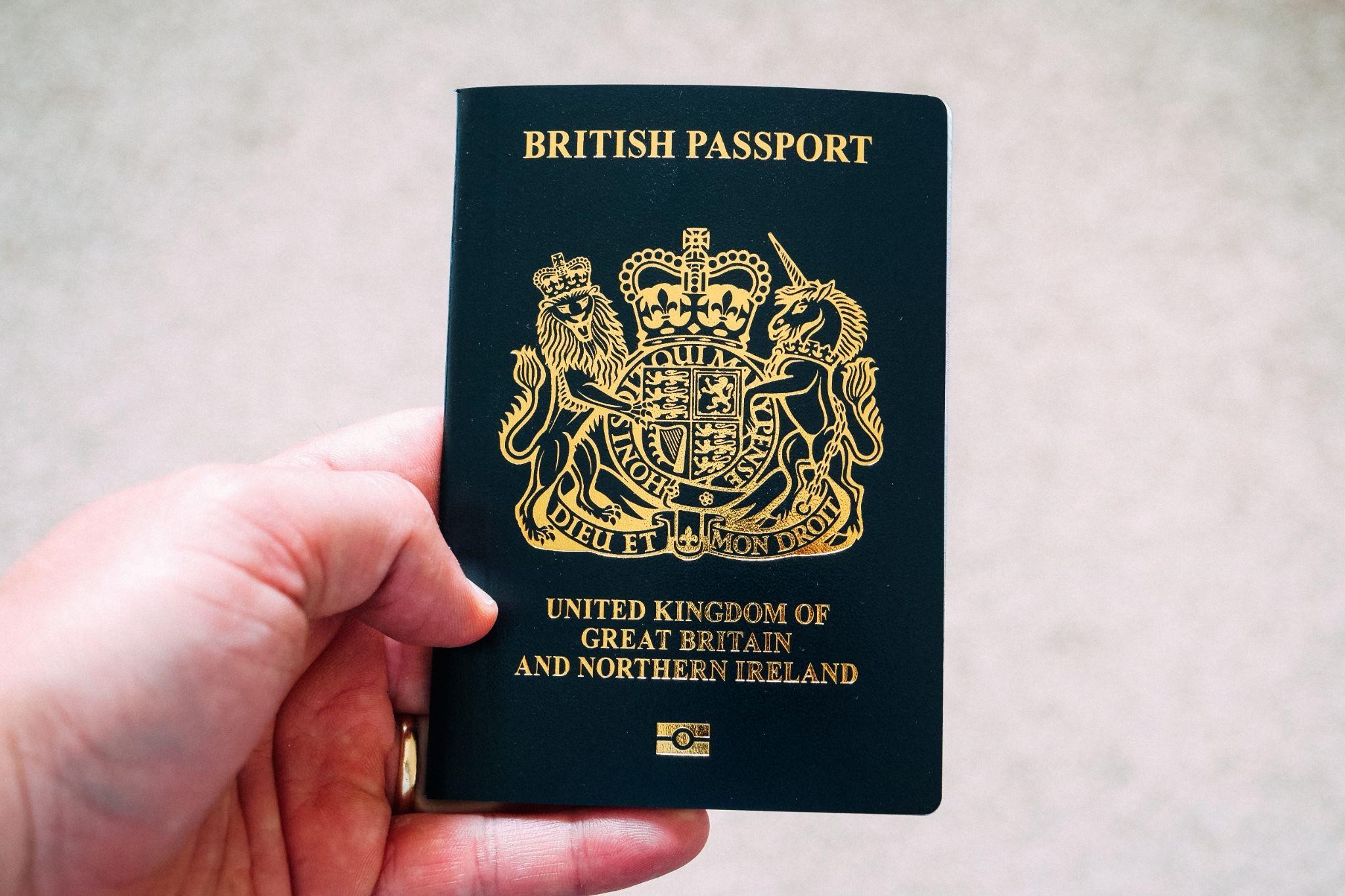
How to Get Permanent Residency in UK?
Applicants for indefinite leave to remain (ILR), also known as settlement, must submit an online application from within the UK. The correct application form depends on the applicant’s current immigration permission and the settlement route they are applying under.
Common online settlement application forms include:
- SET(O) for several eligible work, business and other settlement categories, including eligible dependants of Points-Based System migrants
- SET(LR) for applicants relying on 10 years of lawful and continuous residence in the UK
- SET(M) for eligible partners of settled people and parents of children who are settled in the UK
- SET(AF) for eligible current or former members of HM Forces and qualifying family members
A partner who is applying for settlement as the dependant of a Skilled Worker or other Points-Based System migrant must use SET(O), rather than SET(M).
Documents for an ILR Application
The documents required depend on the settlement route and the applicant’s circumstances. Applicants should follow the document list produced by the online application service and provide certified translations for documents that are not in English or Welsh.
Supporting documents can include:
- A current passport or other valid travel identification document
- Previous passports that cover the period spent in the UK
- Proof of immigration status, such as an eVisa share code or a biometric residence permit, where relevant
- Details and evidence of absences from the UK
- Evidence that the applicant meets the continuous-residence requirement
- Employment, salary and sponsorship evidence for an eligible work-route application
- Financial, relationship or accommodation evidence for an eligible family-route application
- Evidence that the applicant meets the English-language requirement, unless exempt
- A Life in the UK Test unique reference number or test reference ID, unless exempt
A Skilled Worker visa applicant must show that they are still required for their job. Their employer must provide confirmation of this, and the applicant must meet the relevant salary requirement for settlement.
Biometrics and Supporting Documents
Applicants may be asked to book an appointment at a UK Visa and Citizenship Application Services service point to provide biometric information, including fingerprints and a photograph. Supporting documents can be uploaded via the online service or scanned at the appointment, where available.
The application process can differ between settlement routes. Applicants should check the requirements for their own route before submitting an ILR application.
Common reasons for refusal of UK residency
A valid application for indefinite leave to remain (ILR) can be refused if the applicant does not meet the eligibility, continuous-residence or suitability requirements for their settlement route.
The decision letter should explain the reasons for the refusal and state whether the applicant can seek an administrative review or appeal the decision.
Reasons for an ILR refusal can include:
- Not completing the required period of lawful and continuous residence in the UK
- Spending more time outside the UK than the relevant continuous-residence rules allow
- Failing to meet the route-specific requirements, such as salary, sponsorship, employment, financial or relationship requirements
- Failing to meet the English-language or Life in the UK Test requirement where no exemption applies
- Providing insufficient evidence to show that the eligibility requirements are met
- Failing to provide the requested information or documents within the deadline set by the Home Office
- Having criminal convictions, prior immigration breaches or other suitability issues
- Providing false information, false documents or failing to disclose relevant facts
The Home Office can refuse an application where it finds that an applicant used deception. A finding of deception can affect future immigration applications and can lead to a 10-year refusal period in relevant cases.
When an ILR Application Can Be Rejected
An application can be rejected as invalid before the Home Office assesses whether the applicant qualifies for ILR.
This can happen when the applicant uses the wrong form, fails to pay the correct fee, fails to provide mandatory information, or fails to provide biometric information when required.
A rejection as invalid is different from a refusal. An applicant may be able to correct the issue and submit a new application, but they should check their immigration status and time limits before doing so.
What Can You Do After a Refusal?
The options available after an ILR refusal depend on the decision, the immigration route and the applicant’s circumstances.
- Submit a fresh application where the applicant remains eligible and has valid immigration permission or another lawful basis to apply
- Request an administrative review where the decision letter confirms that this remedy is available, and the applicant believes the Home Office made a caseworking error
- Appeal only where the decision carries a statutory right of appeal, such as certain protection, human-rights or EU Settlement Scheme decisions
- Seek specialist legal advice on judicial review where there may be a legal error and no suitable alternative remedy is available
An in-country administrative-review application must normally be submitted within 14 days of the date the applicant receives the refusal decision. Applicants in detention have 7 days.
How much does it cost to get UK residency?
The application fee for permanent residency (Indefinite leave to remain) in UK is £3,226. You may also have to pay biometric fees.
How long does it take to get permanent residency in UIK?
The typical time is about 6 months to process your residency application in the UK. There is the optional “super-priority processing”, which takes only 24 hours but it will cost you an additional £1000. And priority processing option, which is 5-day processing but costs an additional £500. This is only available when eligible.
How to prove residency in the UK
You can prove your residency status in the UK using your eVisa.
Being granted indefinite leave to remain in the UK will typically grant you an eVisa with information on your rights in the UK, what you can do and what your status is attached to it.
To prove your status in the UK, you can obtain a share code and pass it on to whoever needs to check your status. The person can then use the share code on the official Home Office website to verify your residency in the UK.
How can Total Law help with your UK residency application?
Obtaining UK residency is a significant step for those who wish to settle in the UK long-term.
If you’re a foreign national inside or outside the UK looking to settle in the UK on a permanent basis, reach out to Total Law.
We are experienced, empathetic and efficient immigration lawyers who have worked with thousands of clients to help them settle in the UK. As part of our services, we offer advice sessions and application packages to help de-mystify and simplify the process of applying for permanent residency. One of our experienced lawyers will work with you one-on-one to get the full measure of your circumstances and guide you towards the best path to you being able to successfully obtain permanent resident status.
For more information about us and how we can help you, reach out to us today on +44 (0) 333 305 9375, or reach out to us online.

Advice Package
Get clear, expert advice on your visa options, eligibility and application before you commit to applying.

Application Package
Let our immigration lawyers prepare, check and manage your application so you can apply with confidence.

Fast Track Package
Need to apply quickly? Get priority handling by our immigration lawyers from preparation to submission.

Appeal Package
Been refused or received an unfavourable decision? Get expert legal help to challenge it or determine your next step.

The Advice Package
During this Advice Session, an immigration lawyer will assess your circumstances, explain your options and tell you what you need to do to make a strong application.
We review your circumstances, explain the relevant requirements, identify potential problems or refusal risks, and advise you on the evidence and next steps.

The Application Package
With our Application Package, your dedicated immigration lawyer will assess your case, prepare your application, check your supporting documents and submit your forms on your behalf.
We check your application for missing information, inconsistencies and potential issues before submission, helping you avoid common mistakes that could affect your case.
The Fast Track Package
Our Fast-Track Application Package gives your case priority with our immigration lawyers, helping you get your application prepared, checked and submitted as quickly as possible.
Your case receives priority handling, including accelerated document reviews, application preparation, communication with your caseworker and submission support.

The Appeal Package
Our immigration lawyers will review the decision, explain why it was refused and advise on the strongest option available to you, including an appeal, review or fresh application where appropriate.
We will examine the reasons for refusal, identify weaknesses or errors, assess your available options and provide the legal support and representation your case requires.
Related pages for your continued reading.
Frequently Asked Questions
Continuous residency requirements state that you should not have left the UK for more than 180 days in any 12 month period when you were in the UK on your visa.
As permanent residents of the UK there are a number of benefits including:
- No need to apply for a visa or further permission to live and work in the UK
- Access to public funds and services including the NHS
- Able to apply for a British passport after one year of residency
- Freedom of travel in and out of the UK
- Able to bring family members to the UK
- Vote in local and national elections
You must also ensure you pay all UK taxes that are applicable.
International students in the UK are not directly eligible for permanent residency. However, graduates are able to apply for a Graduate visa after completing their studies, which allows them to stay in the UK for an additional two years. They may then be able to apply for a work visa that directly leads to permanent settlement after that.
The UK Statutory Residence Test (STR) is used by the HMRC to determine someone’s tax status and whether they are classed as a resident for tax purposes.
No, buying a home in the UK does not grant you residency status. To become a UK resident, you will have to apply for an appropriate visa and meet the normal residency requirements regardless of whether you own property in the UK or not.
It typically takes around 5 years to become eligible for permanent residency in the UK.
Some visa routes, such as the Innovator Founder visa, may allow you to apply sooner than this.
Some individuals may also be able to obtain permanent residency via the 10-year route, where you need to have been living lawfully in the UK for at least 10 years on any eligible visa to apply.

Clear, professional guidance.
Get clear, professional guidance for your immigration case.
Call Now Call To Discuss