
USCIS Processing Times
Understanding USCIS processing times is crucial to navigating the immigration process. The processing time can vary significantly, whether you are applying for a spouse visa, a green card, or seeking naturalisation in the US.
Reach out to the team at Total Law for more advice on processing times and how to monitor your application. Contact us on +1 844 312 4979 or use our online chat service.
USCIS Processing Timeframes for Different Visas
The processing times for USCIS applications depend on the type of visa or service you are applying for.
Some examples of standard processing times are as follows:
Spouse Visa Processing Time – a popular visa category, the spouse visa processing time can range from 10 to 13 months on average. Still, it can be longer depending on the service centre handling the application.
I-130 Processing Time – the I-130 petition, used to establish family relationships for immigration purposes, typically takes around 7 to 15 months. However, this can differ based on the applicant’s location and the specific USCIS service centre.
PERM Processing Time – for employment-based immigration, the PERM labour certification processing time typically ranges from 6 to 12 months, though delays may occur depending on the complexity of the application.
NVC Processing Times – the National Visa Center (NVC) handles the second part of the family-based immigration process after USCIS approval. It can take anywhere from a few months to over a year, depending on the case and the availability of visa numbers.
Naturalisation Processing Time – the process of becoming a U.S. citizen through naturalisation can take 12 to 18 months on average, but processing times may be longer in some cases.
Each of these timeframes may vary depending on numerous factors, including the type of visa, location, and whether additional documentation is requested.
Therefore, it is important to ensure you submit a complete application and provide the required documentation otherwise, you could face significant processing time delays


Factors Influencing USCIS Processing Time
Several factors contribute to the variation in processing times for different applications, so you should use any suggested processing times as guides rather than definite timescales.
There are several reasons for delays in USCIS processing times, such as:
Application Type – some applications, such as those for family-based immigration or employment-based green cards, may take longer due to the need for additional evidence or background checks.
Service Centre Location – USCIS operates multiple service centres, and processing times can vary depending on the workload and efficiency of the centre handling your case.
Visa Caps – for certain categories of visas, there are annual caps on the number of visas issued, which can cause delays, especially in high-demand categories.
Changes in Immigration Policies – immigration laws and regulations can change, which may affect processing times, such as introducing new documentation requirements or policy shifts.
Backlogs and Workload – in times of increased demand or backlog, USCIS may experience delays in processing applications.
How to Monitor USCIS Processing Times
You can monitor the status of your application and stay informed about USCIS processing times in a few ways.
The official USCIS processing times page allows applicants to check the most up-to-date timeframes for various application types.
You can also check your specific case status on the USCIS website using your receipt number.
USCIS allows applicants to receive email updates about their case progress, including any delays or requests for additional information.
Contact Total Law if you want further information on how we can help with submitting and tracking your application to USCIS.
Addressing Delays in USCIS Processing
If you do face a delay, it can be a worrying time, but it does not mean your application will not be approved, as there are many reasons why processing times can be extended.
It is possible to contact USCIS if your case is taking longer than expected via their online tools. If the processing time has exceeded the published range, you may file a service request for further assistance.
Sometimes, USCIS needs more documentation to continue processing your application, and they will issue a Request for Further Evidence. It is essential to respond to these requests promptly to avoid delays.
Incomplete or incorrect documentation is one of the most common reasons for delays in USCIS processing.
Applicants should carefully ensure that all required documents are submitted at the time of application.
Double-checking your forms and supporting documents and ensuring compliance with all requirements is vital.
USCIS offers a Premium Processing service, which can expedite certain applications for an additional fee.
This service guarantees processing within 15 calendar days, which can be beneficial for those with urgent immigration needs.
There are several benefits of opting for premium processing, such as:
- Faster Decision-Making – Premium Processing ensures that your case will be processed within 15 days or you will receive a refund of the processing fee
- Faster Resolution of Requests for Evidence – If USCIS issues an RFE, Premium Processing allows for a quicker response time
- Priority Processing – Premium Processing ensures that your case is given priority over regular applications, potentially reducing wait times
Not all application types are eligible for Premium Processing. It is typically available for specific employment-based visa categories and some family-based petitions.
Premium Processing incurs an additional fee, which varies depending on the application type. Ensure that the faster processing time aligns with your budget and timeline.
It is important to note that Premium Processing does not guarantee faster approval as it only expedites the processing time. Approval will still depend on the merit of your case.
How Can Total Law Help?
Navigating USCIS processing times and ensuring your application is correctly submitted can be challenging.
At Total Law, our expert immigration lawyers are here to guide you through the process. We can ensure that your application is completed correctly, you avoid common pitfalls, and help expedite your case if needed.
If you have any questions or need assistance with your USCIS application, do not hesitate to contact us at +1 844 312 4979 or fill out the online contact form.

Advice Package
Comprehensive immigration advice tailored to your circumstances and goals.

Application Package
Designed to make your visa application as smooth and stress-free as possible.

Fast Track Package
Premium application service that ensures your visa application is submitted to meet your deadline.

Appeal Package
Ensure you have the greatest chance of a successful appeal. We will represent you in any case.

The Advice Package
During this untimed Advice Session with our professional immigration lawyers in London, you will receive our comprehensive advice, completely tailored to your needs and your situation.

The Application Package
With our Application Package, your dedicated immigration lawyer will advise you on your application process and eligibility. Your caseworker will then complete and submit your forms to the Home Office on your behalf.
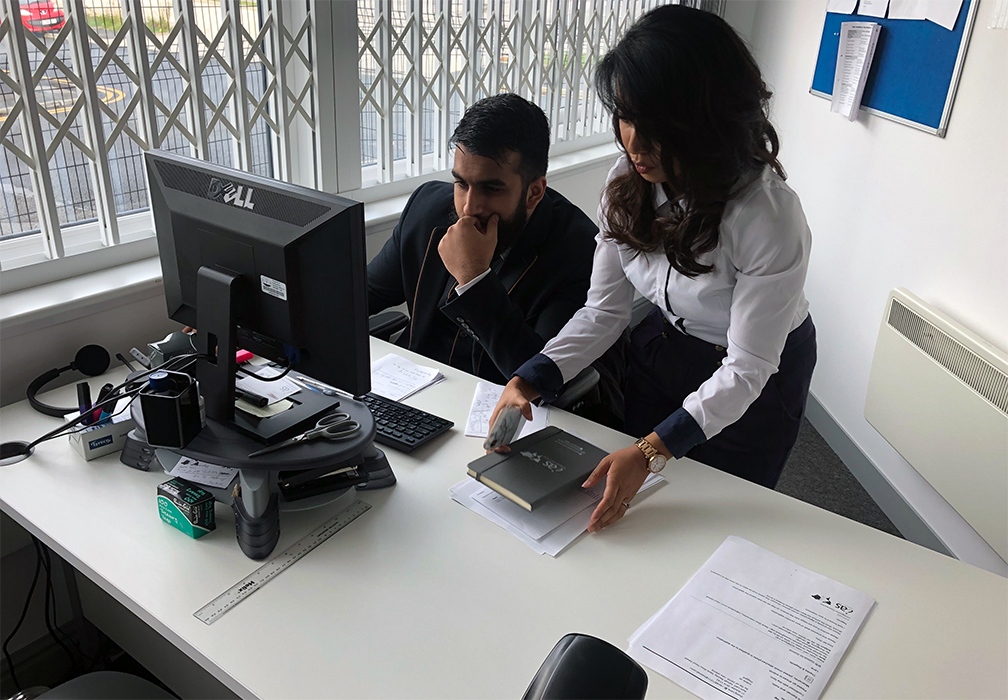
The Fast Track Package
Our Fast-Track Application Package is a premium service for those who need to submit their application in time with their deadlines. Your case will become a top priority for our lawyers and you will benefit from our highest-quality services.

The Appeal Package
By choosing our Appeal Package, you can rely on our lawyers’ legal knowledge and experience to ensure you have the highest chance of a successful appeal. We will also fully represent you in any hearings/tribunals.
Related pages for your continued reading.
Frequently Asked Questions
Common delays include incomplete documentation, security checks, high demand in specific visa categories, and changes in immigration laws.
Some employment-based immigration applications, such as those for highly skilled workers, may have shorter processing times due to less complex requirements.
USCIS may prioritise certain cases based on urgency, such as for asylum seekers or those applying for expedited processing.
Yes, applicants can request expedited processing for certain cases, such as emergencies or urgent humanitarian reasons.
Policy changes may introduce new requirements or affect how applications are reviewed, potentially causing delays as USCIS adapts to the new rules.
Common mistakes include submitting incomplete forms, failing to provide necessary supporting documents, or missing deadlines for responding to requests from USCIS.
