
Ireland Visa from Canada: Complete 2026 Guide
Canadians do not require a visa to travel to Ireland short term. But you must apply for an Irish residence permit if you are going to stay for more than 90 days. If you are a Canadian resident who is a visa-required country national for Ireland, you must apply for a visa before travelling to Ireland from Canada.
If you want to visit Ireland or immigrate there from Canada, call us on +1 844 312 4979 or message us online today to explore your visa/permit options with our Total Law Irish immigration experts. We can help you understand the eligibility criteria, application process, document requirements as well as what to do if your visa application gets rejected.
Do Canadians Need a Visa for Ireland in 2026?
Canadian nationals do not require a visa to travel to Ireland. However, other immigration procedures will apply, including submitting relevant documents at the Canadian border control.
If they are going to stay in Ireland for more than 90 days, Canadians must register their permission with local authorities upon arrival and apply for an appropriate Irish residence permit based on their immigration purpose.
If you are an EEA Swiss or UK citizen currently residing in Canada, you can travel to Ireland and even work, study or live there for 90 days or more without requiring a visa or residence permit.
If you are, however, a Canadian resident who is originally from a visa-required country for Ireland, you will need to apply for an appropriate visa, i.e., a short stay ‘C’ visa or a long stay ‘D’ visa, to travel to Ireland from Canada.
The type of visa you need to apply for will depend on your reason(s) for travel as well as the length of your visit to Ireland.
Page Contents
- Do Canadians Need a Visa for Ireland?
- Ireland Travel Visa From Canada
- Short Term Irish Work Visas
- Long Term Irish Work Visas
- Coming to Ireland for Study for Less Than 90 Days
- Coming to Ireland for Study for More Than 90 Days
- Visa to Join Family in Ireland
- Investor Visa
- Retire in Ireland
- Eligibility for an Irish Visa from Canada
- Required Documents to Apply for an Irish Visa
- How to Apply for an Irish Visa From Canada?
- Irish Visa Application Cost
- Irish Visa Processing Time From Canada
- What Happens If My Irish Visa Application Is Successful?
- How to Renew Your Permission in Ireland?
- Permanent Residency and Citizenship in Ireland
- What If My Irish Visa Application Has Been Refused?
- How Can Total Law Help?
- Frequently Asked Questions
"I'm very happy with the standard of training received on the OISC Level 1 course, i passed my exam. Thank you!"
Liam Calvert
Posted 6 years ago
"My application was approved and a huge weight has been lifted from our shoulders this year "
Akeel Lakar
Posted 6 years ago
"We used this service for the spouse visa extension application to assure that all the information was valid and correct."
Nabil Anwar
Posted 6 years ago
Ireland Short-Term Travel Visa from Canada
Canadian nationals can travel to Ireland without a visa for less than 90 days for tourism purposes, visiting family members or friends, taking a short-term study course, receiving medical treatment at their own expense, or getting married in the country.
If they, however, want to engage in paid or unpaid work in Ireland, they must apply for the relevant permission.
On the other hand, if you are a visa-required country national for Ireland reading currently in Canada (including Canadian permanent residents), you must apply for an Irish short stay or ‘C’ visa before you travel.
Can I Travel to Ireland on a Schengen Visa?
No, having a valid Schengen visa will not make you eligible to travel to Ireland. Even though it is a European Union member state, Ireland is not part of the Schengen Area and has its own immigration requirements.
Can I Travel to Ireland on a UK Standard Visitor Visa?
If you qualify for the Short Stay Visa Waiver Programme or the British Irish Visa Scheme, you may be eligible to travel to Ireland on a UK Standard Visitor visa without applying for an Irish C visa.
What Canadians Must Remember Even If They Don’t Need an Irish Visit Visa
Even if you do not need a C visa to travel to Ireland, other immigration procedures will apply including submitting required documents to the Irish border control officers at your port of entry.
Such documents may include:
- Original passport (or an equivalent travel document), valid for at least six months on the date of travel with at least two blank visa pages
- Travel itinerary
- Proof of sufficient funds to cover your stay in Ireland
- Travel medical insurance
- Accommodation details in Ireland
- Invitations or letters that explain the purpose of your visit (if applicable)
Short Term Irish Work Visas for Canadians
Canadian nationals or residents moving to Ireland for work for any length of time must have a valid employment permit or immigration permission. There are various permissions available depending on (a) the duration of your employment and (b) your employment type.
While the work permission is enough for Canadians to travel to Ireland, visa-required country nationals will also have to apply for a visa once they get the work permission.
If you are coming to work in Ireland for a short term, i.e., for less than 90 days, you have the following options to choose from depending on your eligibility and requirements (subject to the fulfilment of additional conditions specified by the Department of Justice):
Atypical Working Scheme (AWS)
The AWS allows non-EEA and non-Swiss foreign nationals to work in Ireland in positions that are not covered by other employment rules. The Department of Justice and the Department of Enterprise, Trade and Employment (DETE) developed this scheme to facilitate specialised, highly skilled employment of a short-term nature not supported by current Employment Permit legislation.
Company transfers within EEA or Switzerland
If you are already lawfully residing and working in any of the EEA countries or Switzerland, you may be allowed to work on a temporary basis in Ireland for your current employer. In such cases, you need an employment visa called a Van der Elst visa, and do not need to obtain a work permit.
Short stay business visa
You can travel to Ireland for up to 90 days for business purposes or for work that lasts up to 14 consecutive days on a short stay business visa.
Unpaid internship
If your college or university studies require you to complete an internship in Ireland, you may apply for an unpaid internship visa, which is valid for less than 90 days.
Performance or Tournament visa
You can come to Ireland for up to 90 days to stage a performance or to take part in a competitive tournament on a short stay performance or tournament visa.
Training visa
To attend a training course in Ireland for work or for professional development for up to 90 days, you will need to apply for a short stay training visa.
Conference or Event visa
A short stay conference/event visa that allows you to travel to Ireland for up to 90 days to attend a conference, symposium or any other events.
Exam visa
A short stay exam visa that allows you to travel to Ireland for up to 90 days to sit an exam necessary for your current employment or course of study.
Long Term Irish Work Visas from Canada
If Canadian citizens or residents intend to come to work in Ireland for a longer term, they must have a contract of employment and must apply for the relevant work permission to the Department of Justice, the DETE, or the Department of Foreign Affairs.
Once the permission is granted, they need to apply for a long stay ‘D’ visa before travelling to Ireland if required (not applicable for Canadian citizens).
Here are the long-term Ireland work visa options to choose from depending on your eligibility and requirements (subject to the fulfilment of additional conditions specified by the Department of Justice):
Critical Skill
If you have any of the critical skills mentioned on the DETE’s Critical Skills Occupations List, then you or your Irish employer can apply for a critical skills employment permit. Once your permit has been granted by the DETE, you must apply for a work visa.
General Work
If you are a general worker your Irish employer can apply for an employment permit to the DETE. Once your permit has been granted, you must apply for a work visa (if required).
Intra Company Transfer
If your employer is transferring your work temporarily to Ireland, you may be allowed to come to the country and work.
Internship
You will need to obtain an Internship employment permit issued by the DETE to do a paid internship in Ireland for more than 90 days.
Scientific Researcher on a Hosting Agreement
An Employment (Scientific Researcher) visa allows you to travel to Ireland as a Scientific Researcher on a Hosting Agreement for a period of between three months to five years, to carry out a research project with an accredited research institution.
Working Holiday
Young Canadians (aged 18-35 years) can apply for a working holiday authorisation or an international co-op/internship authorisation to work in Ireland for up to two years. While no formal job offers is required for the former, you must have a pre-arranged contract of employment or a formal internship offer for the latter.
Atypical Working Scheme (AWS)
Work for a duration of greater than 90 days is permitted under the AWS only for foreign doctors providing locum services in the hospital and overseas nurses seeking to complete the Clinical Adaptation and Assessment Programme to work as a nurse in Ireland.
Visiting Academic
The Department of Justice may permit a visiting academic or researcher to work in the country for no longer than 12 months. Such individuals must be paid from outside Ireland.
Volunteer
If you intend to travel to Ireland to work in a volunteering role with an eligible organisation for up to two years (with an option to extend for a third year), you will need preclearance approval before travel.
Minister of Religion
If you intend to travel to Ireland to work as a Minister of Religion with an eligible religious body or faith community for up to three years (with a possible three-year extension), you will need preclearance approval before you travel.
Coming to Ireland for Studying from Canada for Less Than 90 Days
Canadian nationals immigrating to Ireland to study for less than 90 days can do so without applying for a visa or permit. Canadian residents, however, must apply for a short stay visa for study purposes if they are visa-required country nationals for Ireland.
A short stay ‘C’ visa will allow you to travel to Ireland and take up a short-term study course for less than 90 days. However, you will not be allowed to work (paid or unpaid) in Ireland nor use any publicly funded services (including public hospitals).
Visa-required Canadian residents must make their ‘C’ visa application from Canada. Requests to make a ‘C’ visa application from any other country where the applicant is not a legal resident will not be accepted.
Coming to Ireland from Canada to Study for More Than 90 Days
Canadian nationals coming to study in Ireland for more than 90 days do not need to apply for a D visa to enter the country (although other immigration procedures will be applicable), but they must register with Irish immigration authorities (i.e., Immigration Service Delivery or ISD) upon arrival and obtain a residence permit.
Canadian residents must apply for a long stay ‘D’ visa before travel if they are visa-required country nationals for Ireland.
A long-term study visa can be applied for up to three months before your date of travel to Ireland. If you are visiting any other country before travelling to Ireland, you must have the relevant visa for that country in your passport before applying for an Irish visa.
Please read and understand Ireland’s ‘Policy on Non-EEA Nationals’ studying in the country before you make your study visa application. Consider consulting an Irish immigration specialist lawyer if you need more clarity regarding this policy. To connect with our team of expert immigration advisers, call us on +1 844 312 4979 today.
Join Family in Ireland from Canada
If you are a Canadian citizen or resident wishing to come to Ireland for more than 90 days to live with your family member(s) settled in the country, you will need to apply for the relevant permission based on your personal circumstances.
Your options are as follows:
- If your family member residing in Ireland is an Irish citizen, you can apply for a long stay join family visa
- If your family member residing in Ireland is a UK national, you will need to apply through a preclearance or visa scheme
- If your family member residing in Ireland is an EU citizen, you can apply for a ‘Residence Card of a Family Member of a Union Citizen’ (also referred to as an EU Treaty Rights application)
- If your family member residing in Ireland is a non-EEA or non-Swiss national who is lawfully resident in Ireland, you can apply for a long stay (join family) visa
- Certain family members of an international protection beneficiary residing in Ireland can obtain an immigration permission under the International Protection Act 2015
Ireland Investor Visa for Canadians
If you are interested in starting your own business in Ireland, you may take the investor route to immigrate from Canada to Ireland.
If you are a Canadian national, you do not need to apply for a D visa to enter the country (although other immigration procedures will be applicable), but must register with ISD upon arrival and obtain a residence permit. If you are a Canadian resident originally from a visa-required country for Ireland, you must apply for a long stay ‘D’ visa before travel.
In 2012, the Irish Government launched two programmes, the Immigrant Investor Programme (IIP) and the start-up entrepreneur programme (STEP), to encourage high net worth investors and business professionals from outside the EEA and Switzerland to invest in the country, and in return acquire a secure residency status in Ireland.
The Irish government has closed the IIP with effect from close of business on 15 February 2023. The STEP is, however, still available for non-EEA and non-Swiss nationals (except for Russian or Belarusian citizens) if they would like to set up a business in Ireland and to work in the said business on a full-time basis.
The STEP permit holders are not permitted to be employed in any other capacity, and they must not become a financial burden on the Irish State. Once the permission is granted, you can apply for a ‘D’ visa (if applicable).
Retire in Ireland from Canada
Financially independent, high net worth individuals may be able to retire to Ireland provided they meet all specified conditions. Such individuals will not be entitled to any government benefits otherwise provided to Irish citizens and permanent residents.
To retire in Ireland, you should have an individual income of €50,000 per year, and access to a considerable sum of money to cover any sudden major expenses.
This amount should be equal to the price of a residential house in Ireland. Such proof of funds must be certified by an Irish accountancy firm having required expertise to understand the format of overseas banking/accountancy documentation.
You must first apply for permission by completing the TPER application form, then apply for a D visa if required (not applicable for Canadian passport holders), and complete the application process and register once you arrive in Ireland.

Eligibility for an Irish Visa from Canada
The visa requirements for immigrating to Ireland will depend on your reason to travel to the country, and your chosen visa/permit option thereof. Similarly, the requirement for supporting documents will vary based on your chosen immigration route.
Generally speaking, you must fulfil the following requirements to be able to travel to Ireland from Canada:
- Irrespective of whether or not you can travel visa-free to Ireland, you must have a valid passport or an equivalent travel document issued by the relevant Canadian authorities or by your country of origin (i.e., if you are a Canadian resident)
- You must fulfil all eligibility conditions with regard to the Irish visa/permit you are applying for, or for your stated travel purpose. For example, if you are travelling to the country for a short stay, you cannot take up paid or non-paid work in Ireland
- All Irish visas and permits come with their respective requirements for supporting documents. Even if you are visa-exempt, an Irish immigration officer may ask you for documents other than your passport at your port of entry
- You must be able to prove that you have sufficient funds to cover your expenses in Ireland during your stay. If you have eligible family members coming to Ireland as your dependants, you must be able to show proof of financial means to cover their costs as well
In this context, note that the EU has introduced a new Entry/Exit System (EES) from 12 October 2025 onwards to replace the current system of manually stamping travellers’ passports. Under this new system, travellers, even the visa-exempt ones, will have to register their biometric details.
However, since Ireland is not participating in EES, you will not be required to submit your biometrics at the port of entry if you are coming directly to Ireland from Canada.
Required Documents to Apply for an Irish Visa
We have provided here a list of documents generally required for Irish immigration. However, note that ISD may ask for other relevant documents depending on your specific immigration circumstances.
- Application summary form (from AVATS online application facility) and declaration, which you must print, sign and date
- Application Letter (signed and dated) with your full contact details, visa application number, all details of your family members in Ireland/in the UK/in any EEA member state, the reason for your proposed trip to Ireland, and a commitment from you that you will obey the conditions of your visa or permit in full, not rely on public services while in Ireland and leave the country before your immigration permission expires
- Proof of fee payment/fee exemption
- A current and valid passport with an expiry date that is at least six months after the intended date of the applicant’s departure from Ireland
- Previous passports, if any
- Previous visas, if any, including rejected visas
- Proof that the applicant intends to leave Ireland at the end of their valid visa or to make arrangements to apply for a new visa before the expiration of their current document
- Proof of sufficient funds/ financial stability to support self and any dependent family members (e.g., spouse, children)
- Biometrics (where required)
- Two standard size passport photographs in ISD’s prescribed format
- Other information that supports your reason for travel, such as work permits, acceptance letters, marriage certificate, etc.
- Proof of travel/medical insurance
- Travel itinerary
- Proof of accommodation in Ireland
How to Apply for an Ireland Visa From Canada?
If you are a Canadian resident and require a visa to enter Ireland, you must apply for a C (short stay, i.e., less than 90 days) or a D (long stay, i.e., more than 90 days) visa once you have confirmed your eligibility for your chosen immigration route.
Start your Irish visa application from Canada by filling up the application form online using ISD’s AVATS online application facility. Have all your supporting documentation ready with you for submission prior to filling up the form.
To apply for an Irish visa, you need to:
- Complete the online application form online
- Generate the application summary form and declaration at the end of the online application. You need to print, sign and date this application summary form and declaration
- Arrange your supporting documentation
- Submit your application, passport and supporting documents for processing at a visa application centre providing consular services
All your supporting documents must be sent by post to the following address:
Embassy of Ireland, Canada
150 Metcalfe Street,
Suite 1700,
Ottawa,
ON K2P 1P1.
Irish Visa Application Cost
Irish visa processing fees and costs will vary depending on your chosen immigration route. If you have chosen the STEP route, it will cost you a different fee, for example.
You may have to pay the following types of fees to immigrate to Ireland:
- A non-refundable visa fee if you need to apply for a visa to travel to Ireland (e.g., €60 for a single entry and €100 for multiple entries)
- An employment permit fee if you are moving to Ireland for work
- A residence permit fee of €300
- Fees for certified translated copies made of original required documents where required, etc.
Irish Visa Processing Time from Canada
Irish visa processing time will vary depending on the type of visa you are applying for and the volume of visa applications the embassy is handling at the moment. Usually, the Irish Embassy in Ottawa, Canada takes eight to 10 weeks to process a visa application.
The embassy will contact you once a decision regarding your visa application has been made. If you have applied directly to an ISD visa office, or if your application has been referred to ISD for a decision, you can check the ISD Visa Decision Weekly Listing using your case reference number.
If the embassy or ISD gets back to you requesting more details or additional/missing documents, reply as soon as you can to avoid further delay in your visa processing or a possible rejection.
What Happens If My Irish Visa Application Is Successful?
If you are travelling to Ireland on a ‘D’ visa, you need to apply for an immigration permission, and then register it, once it is granted, within 90 days to apply for your Irish Residence Permit (IRP) card.
Registration is the process for the Irish immigration authorities to record how you have been given permission to stay in Ireland. Once you have successfully registered, you will receive your IRP card by post which will contain the information on the type of permission you have received.
How to Renew Your Permission in Ireland?
Your IRP card will mention the date when your current permission to remain in Ireland expires, as well as the date by when your permission must be renewed. Usually, you can apply to renew your IRP up to 12 weeks prior to the expiry date.
If you wish to renew your permission and are eligible to do so, you will have to submit an online application through ISD’s online renewals portal. You have to follow the same procedure if you are eligible (and are switching to) an alternative permission (i.e., stamp) category.
Permanent Residency and Citizenship in Ireland
After legally residing in Ireland for a minimum of five years (60 months) with long-term work authorisation, you may be eligible to apply for a Long Term Residency permit, provided you fulfil all relevant terms and conditions.
To apply for Irish citizenship by naturalisation as a foreign national, you must be a legal resident in Ireland for at least five years (or at least three years if you are a spouse or civil partner of an Irish citizen including those living in Northern Ireland) out of the previous nine years, including one year of continuous residence immediately before your application date.
Canadian Irish Dual Citizenship
Given that both Canada and Ireland allow dual nationality. you will not have to renounce your Canadian citizenship to become an Irish citizen.
However, note that you will be subject to the laws of both countries, most importantly the tax laws. Consult an international tax expert to avoid double taxation.
What If My Irish Visa Application Has Been Refused?
If your Irish immigration visa application is refused, you will receive a letter from the visa office stating the reason why it has been refused and if you can appeal the decision.
All visa appeals are handled directly by ISD. There is no fee. However, your appeal must reach the visa office within two months from the date on the letter of refusal.
If you submitted false or misleading information with your original application, you will not be allowed to appeal a visa decision and may be blocked from applying for an Irish visa for up to five years. The letter of refusal will state if this applies to you.
If your appeal is late, the original visa decision cannot be changed. However, you may submit and pay for a new visa application if you wish.
How Can Total Law Help?
Immigrating to Ireland can be a fairly time-consuming process and one which will require your utmost diligence. Even if you meet the eligibility criteria, it is of utmost importance to fill up the relevant forms correctly and completely as well as submit all required documentation, to avoid a possible visa refusal or rejection.
At Total Law, we have the required expertise to assist you, regardless of how complex your case may be. If you are seeking overall advice with your Irish immigration plan or you would like an immigration expert to complete your visa application on your behalf, we are here for you.
We also offer document and application checking services if you just need a final check to confirm that your documents and application adhere to ISD rules and regulations. To know more about the services we provide and how we can help you, call us on +1 844 312 4979 or message us online today.

Advice Package
Get clear, expert advice on your visa options, eligibility and application before you commit to applying.

Application Package
Let our immigration lawyers prepare, check and manage your application so you can apply with confidence.

Fast Track Package
Need to apply quickly? Get priority handling by our immigration lawyers from preparation to submission.

Appeal Package
Been refused or received an unfavourable decision? Get expert legal help to challenge it or determine your next step.

The Advice Package
During this Advice Session, an immigration lawyer will assess your circumstances, explain your options and tell you what you need to do to make a strong application.
We review your circumstances, explain the relevant requirements, identify potential problems or refusal risks, and advise you on the evidence and next steps.

The Application Package
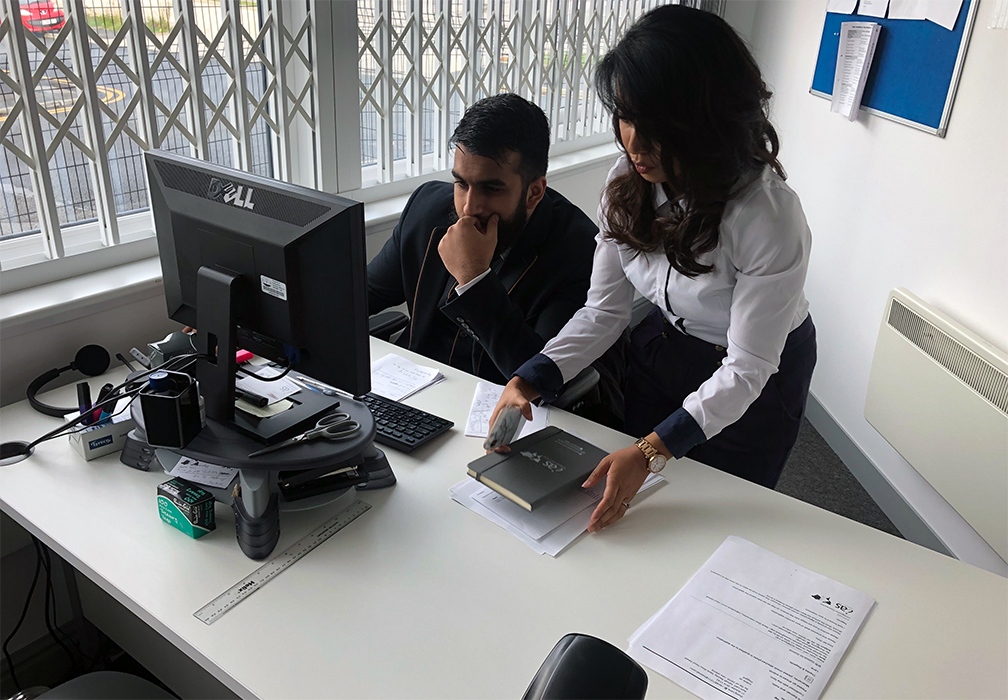
With our Application Package, your dedicated immigration lawyer will assess your case, prepare your application, check your supporting documents and submit your forms on your behalf.
We check your application for missing information, inconsistencies and potential issues before submission, helping you avoid common mistakes that could affect your case.
The Fast Track Package
Our Fast-Track Application Package gives your case priority with our immigration lawyers, helping you get your application prepared, checked and submitted as quickly as possible.
Your case receives priority handling, including accelerated document reviews, application preparation, communication with your caseworker and submission support.

The Appeal Package
Our immigration lawyers will review the decision, explain why it was refused and advise on the strongest option available to you, including an appeal, review or fresh application where appropriate.
We will examine the reasons for refusal, identify weaknesses or errors, assess your available options and provide the legal support and representation your case requires.
Related pages for your continued reading.
Frequently Asked Questions
Whether or not a Canadian permanent resident will require a visa to travel to Ireland will depend on their nationality. If they are visa-required country nationals for Ireland, they will need to apply for a visa.
Whether or not you need to pay tax in Ireland depends on your resident status. Usually, you are resident in Ireland for tax purposes if you live there for a total of 183 days or more in a tax year (or 280 days or more in a tax year plus the previous tax year taken together, with a minimum of 30 days in each year).
Ireland and Canada have a Double Taxation Treaty, so you will be provided tax relief in Ireland on the tax you may have paid in Canada in a given tax year.

Clear, professional guidance.
Get clear, professional guidance for your immigration case.
Call Now Call To Discuss