
Best Countries for Digital Nomads
Year after year, an increasing number of countries are opening their doors to flexible immigration options for foreign nationals seeking out their next destination to explore whilst working remotely.
If you are thinking of becoming a digital nomad but are unsure of where to start, our expert immigration advisors can help. Contact us online or call us today on +44 (0) 333 305 9375 or +1 844 312 4979.
Countries with Digital Nomad Visa Programs
Digital Nomad visas create opportunities to allow those who work remotely to live and work in diverse international settings, enriching their experiences and allowing them to explore many countries and their natural beauty, excellent food and vibrant culture, without having to do regular border runs and all the while contributing to local economies.
Each country has its unique take on digital nomad visas, or if they don’t offer an official digital nomad visa they offer similar visa types that allow remote workers to stay longer in the country.
These offerings typically differ in terms of income requirements, the duration of stay, and potential tax incentives, reflecting the diverse global landscape and the varying work opportunities available.
As more nations join the ranks of digital nomad visa countries, individuals now have the chance to explore the world while maintaining their professional commitments, making the digital nomad lifestyle more exciting and achievable than ever.
Tax
The tax regimes for digital nomad visas vary significantly across countries. Some nations, such as the UAE, Bahamas, Antigua and Barbuda, Barbados, Curaçao, Montserrat, and St. Kitts and Nevis offer complete income tax exemptions during the visa period.
Others, like Costa Rica and Indonesia, implement a territorial tax system that exempts foreign-earned income.
Over in Europe, Portugal has a flat tax rate of 15%, while Spain offers a 24% flat rate under the Beckham Law. In contrast, Norway mandates that visa holders pay local income tax.
Minimum Income Requirement
Most countries offering digital nomad visas require applicants to meet certain income thresholds. These minimum annual income thresholds often reflect the local cost of living in each country. For those seeking lower requirements, Colombia stands out at approximately $900 per month to work legally in the country, while Brazil has a threshold of $1,500 per month.
In contrast, moderate requirements can be found in Spain, with monthly income expectations ranging from €2,268 to €2,600, and Costa Rica, which requires $3,000 per month.
On the higher end, countries like Iceland demand $7,200 monthly, while Belize and Montserrat require annual incomes of $75,000 and $70,000, respectively. Japan’s threshold is set at $65,000 annually, and the Cayman Islands require $8,333 per month.
Duration & Residency Path
Digital nomad visas offer varying durations of stay, categorized into short-term, mid-term, and long-term options.
For short-term stays, Iceland allows visitors to remain for up to 180 days, while Japan offers a visa valid for up to six months, both of which are non-renewable.
Mid-term stays are available in countries like the UAE and Malta, where permits can be renewed for up to four years, and Antigua and Barbuda, which provides renewable visas for up to two years.
In terms of long-term options, Portugal’s D8 long-term visa and Spain’s digital nomad visa allow for renewals, potentially leading to permanent residency and citizenship.
In contrast, Costa Rica’s digital nomad visa does not facilitate residency, requiring individuals to explore alternative visa options for long-term relocation.
Family Accommodation
Countries such as Portugal, Costa Rica, and the Cayman Islands facilitate family inclusion under digital nomad visas, accommodating adult dependents, including parents, provided there is proof of income and health insurance.
"I'm very happy with the standard of training received on the OISC Level 1 course, i passed my exam. Thank you!"
Liam Calvert
Posted 6 years ago
"My application was approved and a huge weight has been lifted from our shoulders this year "
Akeel Lakar
Posted 6 years ago
"We used this service for the spouse visa extension application to assure that all the information was valid and correct."
Nabil Anwar
Posted 6 years ago
List of Countries
Below is a list of countries that offer digital nomad visas or similar flexible visa options:
Europe
| Albania | Armenia | Bulgaria | Croatia |
| Cyprus | Czech Republic | Estonia | France |
| Georgia | Germany | Greece | Hungary |
| Iceland | Ireland | Italy | Latvia |
| Malta | Montenegro | Netherlands | North Macedonia |
| Norway | Portugal | Romania | Serbia |
| Spain | Switzerland |
Africa
| Cabo Verde | Egypt | Mauritius | Morocco |
| Namibia | Seychelles | South Africa |
Oceania
- Australia
- New Zealand
Americas
| Anguilla | Antigua and Barbuda | Argentina | Aruba |
| Bahamas | Barbados | Belize | Bermuda |
| Brazil | Cayman Islands | Colombia | Costa Rica |
| Curacao | Dominica | Ecuador | El Salvador |
| Grenada | Mexico | Montserrat | Panama |
| Peru | Puerto Rico | Saint Lucia | Uruguay |
Asia
| Bali (Indonesia) | Cambodia | India | Japan |
| Malaysia | Philippines | South Korea | Sri Lanka |
| Taiwan | Thailand | Turkey | Vietnam |
Middle East
- Abu Dhabi and Dubai (United Arab Emirates)
Top Countries for Digital Nomads to Move To
Countries such as Colombia, Georgia, Hungary, Malaysia, Thailand, and the UAE have emerged in recent years as exceptional destinations for digital nomads, each offering unique advantages tailored to remote workers or extended offerings through a tourist visa.
From Colombia’s vibrant urban hubs and low living costs to the UAE’s tax-free environment and modern infrastructure, these locations provide a blend of affordability, community, and cultural richness. With various visa options and supportive ecosystems, they cater to the diverse needs of digital nomads seeking an enriching work-life balance.
Canada
Canada consistently ranks in the top 10 digital nomad hotspot countries. The country excels in key metrics essential for remote workers, including world class healthcare, high speed internet and reliable digital infrastructure, and living expenses. Notably, there is no specified minimum income requirement. Additionally, Canada provides a six-month tax-free period for new residents, although tax rates can range from 15% to 33%.
While Canada scores highly for its suitability for a digital nomad lifestyle, it does not provide a specific digital nomad visa program. As a result, remote workers looking to stay in Canada must typically navigate existing immigration pathways or adhere to standard visitor regulations, usually through the country’s tourist visa or work visas – the latter of which can often be complicated to navigate. If you are thinking of spending time in Canada as a digital nomad but are unsure about the best visa pathway to take, Total Law can help. Speak to one of our immigration advisors today by calling us on +1 844 312 4979, or you can get in touch online.
Costa Rica
Costa Rica is an appealing destination for digital nomads, celebrated for its breathtaking natural scenery, favorable tax regime, and vibrant expat community. One of the main attractions is Costa Rica’s territorial tax regime, which exempts visa holders from taxes on income earned outside the country, allowing remote workers to earn their foreign-sourced income without a high tax burden, providing them with more spending power to support local businesses in Costa Rica.
The country offers a dedicated Remote Workers and Service Providers Digital Nomads visa, permitting stays of up to two years, with a minimum monthly income requirement of US$3,000 for individuals and US$4,000 for families. Visa holders must work exclusively for companies or clients based outside Costa Rica and can include adult dependents in their applications, provided they meet necessary conditions.
Costa Rica’s appeal also lies in its high quality of life, characterized by the pura vida lifestyle, stunning biodiversity, and a significant expat population, primarily from the US. Private healthcare is reasonably priced and there are plenty of exciting places to explore within the country.
Potential long-term residents need to consider that the digital nomad visa does not lead to permanent residency, necessitating alternative visa options for those looking to settle in the country.
Colombia
Colombia is increasingly recognized as a welcoming and highly affordable destination for digital nomads in South America, particularly noted for its low visa barriers and vibrant urban hubs. It ranks very highly for digital nomads in terms of affordability and suitability for expats, making it an attractive alternative to other low-cost countries in the region such as Costa Rica.
Colombia stands out with one of the lowest minimum income thresholds for a Digital Nomad Visa, requiring just $900 a month to qualify. The country also offers a six-month tax-free period, with a standard tax rate ranging from 0% to 39%, enhancing its appeal to remote workers. Medellín is identified as the primary hub for digital nomads, featuring numerous cafes and coworking spaces in expat-friendly neighborhoods like Poblado and Laureles.
The welcoming atmosphere of Colombia, coupled with its beautiful coastal cities like Cartagena, enriches the experience for nomads. While the country maintains solid infrastructure with reasonable internet speeds, it’s worth noting that internet reliability may vary, particularly in coastal areas. Overall, Colombia offers a vibrant cultural scene, affordability, and a supportive community, making it a compelling choice for remote workers.
Georgia
Georgia is increasingly favored as a digital nomad destination due to its business-friendly environment, liberal immigration policies, and attractive tax benefits, especially for entrepreneurs. One of the standout features of Georgia is its visa-free entry for citizens of over 90 countries, allowing stays of up to one year. For those wishing to extend their stay, a digital nomad visa is available for one year, with the option to apply for a temporary residence permit afterward.
The country also offers a highly favorable tax regime, with a standard personal income tax rate of 20% and a corporate tax rate of 15%. Notably, foreigners can benefit from tax rates as low as 1% under the Individual Entrepreneur scheme, along with a six-month tax-free period. The digital nomad visa involves a standard tax rate of 20% for its holders.
Tbilisi, Georgia’s capital, is becoming a popular hub for digital nomads, known for its vibrant mix of modern and ancient architecture, aesthetically pleasing coworking spaces, and a thriving expat community. The country is celebrated for its unique culture, delicious cuisine, and stunning historical sites, making it a rich environment for remote work. The beautiful country also boasts beautiful coastlines along its Black Sea beaches and stunning mountainous regions to explore.
Hungary
Hungary is quickly establishing itself as a top destination for digital nomads, particularly due to its affordability, robust infrastructure, and the introduction of the “White Card” visa program.
The European Union nation stands out as having high affordability and suitability for expats, with a low rental market that makes it a compelling alternative to traditional European hotspots like Spain or Portugal.
The Hungarian White Card serves as the country’s digital nomad visa, allowing stays of one year with a possibility of extension. To qualify, applicants must demonstrate a minimum monthly income of €3,000. Additionally, the visa offers a six-month tax-free period and a tax rate of 15%.
These visa holders must be non-EU/EEA/Swiss citizens and can only work for companies or clients based outside of Hungary. One of the significant benefits of this visa is that it grants legal residency, access to local services, and the ability to travel freely within the Schengen zone.
Malaysia
When considering Asian countries to explore as a remote worker, Malaysia is increasingly recognized as a top digital nomad destination, often dubbed “Asia’s hidden gem” for its combination of quality lifestyle and modern infrastructure at a fraction of the cost compared to the U.S. and much of Europe.
The country offers the DE Rantau Nomad Pass, a dedicated digital nomad visa allowing stays from three months to one year, which can be renewed for an additional year. To qualify, applicants must demonstrate a minimum income of $2,000 per month and provide a valid employment or project contract lasting at least three months, along with bank statements or pay slips and health insurance coverage.
Malaysia’s tax regime is particularly favorable for non-resident digital nomads, as foreign income is tax-exempt. The country also features a six-month tax-free period, with standard tax rates ranging from 1% to 30%.
The infrastructure in Malaysia is modern, particularly in Kuala Lumpur, which offers fast internet and serves as a major airport hub, making travel to nearby destinations like Bali and Bangkok convenient. The cultural appeal is diverse, with vibrant cities, delicious food, scenic countryside, and beautiful beaches. English is widely spoken, and the country has a low crime rate, contributing to a safe environment for nomads.
For those looking for long-term residency, Malaysia offers the MM2H program (Malaysia My Second Home), allowing foreigners to reside in the country for ten years. Other options include the entry permit and the Labuan work permit, providing additional pathways for extended stays.
Overall, Malaysia combines affordability, favorable tax policies, and a supportive environment for digital nomads, making it an attractive choice for remote workers.
Considering moving to Asia as a digital nomad but not sure where to start? Total Law can help. To speak to a professional immigration advisor who can support you with all of your queries relating to visas, legalities, and factors to consider when moving abroad, contact us online today or call us on +1 844 312 4979.
Mexico
Mexico is an established and popular choice for digital nomads in Latin America, celebrated for its vibrant culture, high quality of life, and flexible residency options, despite the absence of a specific digital nomad visa.
Remote workers can apply for the Temporary Resident Visa, which allows stays from six months to four years, depending on the applicant’s country of origin. This visa requires a minimum monthly income of $2,600, and holders must work exclusively for companies or clients based outside of Mexico.
The country’s tax regime is favorable for non-residents, as Mexico only taxes income sourced within the country, allowing digital nomads to potentially save on taxes by limiting their income generation to foreign sources. Standard tax rates range from 19.2% to 35%.
Mexico’s allure extends to its rich culture, delicious cuisine, and large expat community, making it a top destination for remote workers.
It is frequently ranked among the top ten countries where expats are happiest, with bustling hubs like Mexico City, known for its vibrant restaurant scene, and popular beach destinations such as Puerto Escondido and Playa del Carmen.
Portugal
Portugal is well known as an ideal destination for digital nomads, consistently earning high rankings due to its appealing lifestyle, long-term residency options, and tax incentives.
The country’s D8 visa, or Digital Nomad Visa, offers a direct pathway to long-term residency and potential citizenship. This visa allows for a temporary stay of one year, extendable up to four times, with a minimum monthly income requirement of €3,280. Alternatively, the long-term residency option provides a two-year permit, renewable for three additional years, with a minimum income of €3,040, ultimately leading to permanent residency and citizenship after five years.
Portugal’s tax regime is more favorable compared to many Western European countries, featuring a flat tax rate of 15% for digital nomads under the D8 scheme and a six-month tax-free period. Portugal’s previous Non-Habitual Tax Residence (NHR) program has recently been replaced by NHR 2.0, which provides tax incentives for highly qualified professionals, innovators, and entrepreneurs seeking residency or citizenship in the country.
The lifestyle in Portugal is enriched by a strong expat community, particularly in Lisbon, which serves as the heart of the digital nomad scene, offering numerous cafes, coworking spaces, and social events. While the country boasts high scores for healthcare and affordability, challenges such as rising housing prices and increased competition from Eastern European countries have emerged, prompting adjustments to its visa programs.
Romania
Romania is rapidly gaining popularity among digital nomads, particularly for its robust digital infrastructure and affordability within the European market.
Known as one of the most cost-effective countries in the European Union, Romania offers infrastructure comparable to traditional favorites like Portugal but at a fraction of the cost.
The country has introduced a specific Digital Nomad Visa program, allowing holders to stay for one year with the option to extend for another year. To qualify, applicants must earn at least €3,700 per month, approximately three times the average Romanian salary.
Additionally, Romania provides a six-month tax-free period, making it financially attractive for remote workers.
Romania is considered to have one of the fastest internet networks in the EU, and English is widely spoken in major cities like Bucharest and Cluj-Napoca.
Spain
Spain is an attractive destination for digital nomads due to its competitive visa options, favorable tax incentives, vibrant expat communities, and high quality of life.
The country introduced its digital nomad visa in 2023, offering a low minimum income requirement of around €2,600 per month and the possibility of renewal, which can eventually lead to permanent residency. Eligible applicants include remote workers for foreign companies and freelancers working primarily with international clients.
Tax benefits include the Beckham Law, allowing qualifying individuals to pay a flat 24% tax rate, along with incentives for freelancers during their first year as tax residents.
Lifestyle factors also favor Spain, with a rich culture, lower cost of living, delicious food and a thriving English-speaking expat community across cities like Barcelona, Madrid, and Valencia. Barcelona, in particular, boasts a strong digital nomad presence and numerous coworking spaces.
Additionally, Spain scores well in infrastructure, with high internet speeds and quality healthcare, making it a compelling choice for those seeking a vibrant environment to live and work remotely.
Thailand
Thailand is a well-established hub for digital nomads, celebrated for its vibrant lifestyle, strong community, and favorable tax treatment for foreign income. Thailand offers a rich blend of culture and community, with key hubs located in hotspots like Chiang Mai and Bangkok, recognized for their large expat communities, coworking spaces, and excellent networking opportunities.
The country is also known for its delicious cuisine, ancient temples, and stunning natural landscapes, including its famous islands like Koh Pha-Ngan, which cater to both digital nomads and wellness enthusiasts.
Thailand provides various visa pathways to accommodate different lifestyles and durations, including the Thai long-term visa (Thailand Golden Visa), which allows digital nomads to stay for up to ten years. This flexibility makes it easier for remote workers to plan their long-term stays. Its tax regime is particularly attractive, as non-residents are taxed only on income sourced within Thailand. The country also offers a six-month tax-free period, enhancing its appeal to digital nomads.
Thailand has high internet quality and a very low cost of living compared to western countries, and is one of the most popular tourism destinations in Asia, meaning there is plenty to do, see and explore for foreign nationals wishing to spend extended periods of time in the country.
UAE
The United Arab Emirates (UAE), particularly Dubai, is highly regarded as a top destination for digital nomads, thanks to its robust economy, modern infrastructure, dynamic urban setting and attractive tax-free environment.
Dubai offers a dedicated ‘Work Remotely from Dubai’ visa, which allows applicants to live and work in the city for one year. This visa is accessible to individuals from all countries who can demonstrate employment with a foreign employer. The minimum required monthly income to qualify is $3,500, and applicants must provide proof of employment through a valid contract and health insurance coverage.
One of the most appealing aspects of living in the UAE is its famous tax-free status. Digital nomads in Dubai do not pay personal income tax, allowing them to work and live in the UAE with goals of increasing their savings. However, it’s worth noting that a 9% corporate tax applies to certain businesses, but this is still competitive compared to many other countries.
The UAE boasts exceptional digital infrastructure, hosting world-class internet speeds and many coworking hotspots. This, combined with modern amenities and a high standard of living, makes it an attractive location for remote work. Healthcare services are of high quality but are expensive compared to other countries, and the cost of living in the country, particularly in cities like Abu Dhabi and Dubai, is high.
Despite this, the United Arab Emirates continues to attract millions of expats from around the world due to its exciting city lifestyle, world-class infrastructure, lucrative networking opportunities and tax-free status, making it a top choice for digital nomads looking to thrive in a cosmopolitan setting.
Verdict
In summary, countries like Colombia, Portugal, and Thailand offer vibrant cultures and favorable tax regimes, making them attractive for digital nomads. Meanwhile, Canada and Mexico provide essential infrastructure and flexible residency options, despite lacking specific digital nomad visas.
EU countries Georgia and Hungary stand out for their appealing tax benefits and ease of access, while Malaysia’s modern amenities and low cost of living enhance its appeal. The UAE, particularly Dubai, boasts a tax-free environment and robust infrastructure, ideal for remote workers seeking a cosmopolitan lifestyle.
Ultimately, each destination presents unique advantages, catering to diverse preferences and needs, making them all compelling choices for those looking to embrace the digital nomad lifestyle.
How Can Total Law Help?
Whether you’re contemplating a move to a vibrant European city like Barcelona, are drawn to the dynamic lifestyle of Dubai, want to relax on the tranquil beaches of Thailand or explore the serene tropical paradise of Costa Rica, considering visa options that suit your lifestyle or navigating complex immigration regulations can be difficult, especially if you have never been to the country before and are unsure of what to expect. That’s why Total Law is here.
Our expert immigration advisors are here to assist you. With in-depth knowledge of various countries’ residency requirements, tax implications, and application processes, we can help you find the best pathway to achieve your dreams of living abroad.
Contact our team for personalized guidance tailored to your unique situation, ensuring a smooth and successful transition to your new home. You can get in touch online, or call us today on +1 844 312 4979.

Advice Package
Get clear, expert advice on your visa options, eligibility and application before you commit to applying.

Application Package
Let our immigration lawyers prepare, check and manage your application so you can apply with confidence.

Fast Track Package
Need to apply quickly? Get priority handling by our immigration lawyers from preparation to submission.

Appeal Package
Been refused or received an unfavourable decision? Get expert legal help to challenge it or determine your next step.

The Advice Package
During this Advice Session, an immigration lawyer will assess your circumstances, explain your options and tell you what you need to do to make a strong application.
We review your circumstances, explain the relevant requirements, identify potential problems or refusal risks, and advise you on the evidence and next steps.

The Application Package
With our Application Package, your dedicated immigration lawyer will assess your case, prepare your application, check your supporting documents and submit your forms on your behalf.
We check your application for missing information, inconsistencies and potential issues before submission, helping you avoid common mistakes that could affect your case.
The Fast Track Package
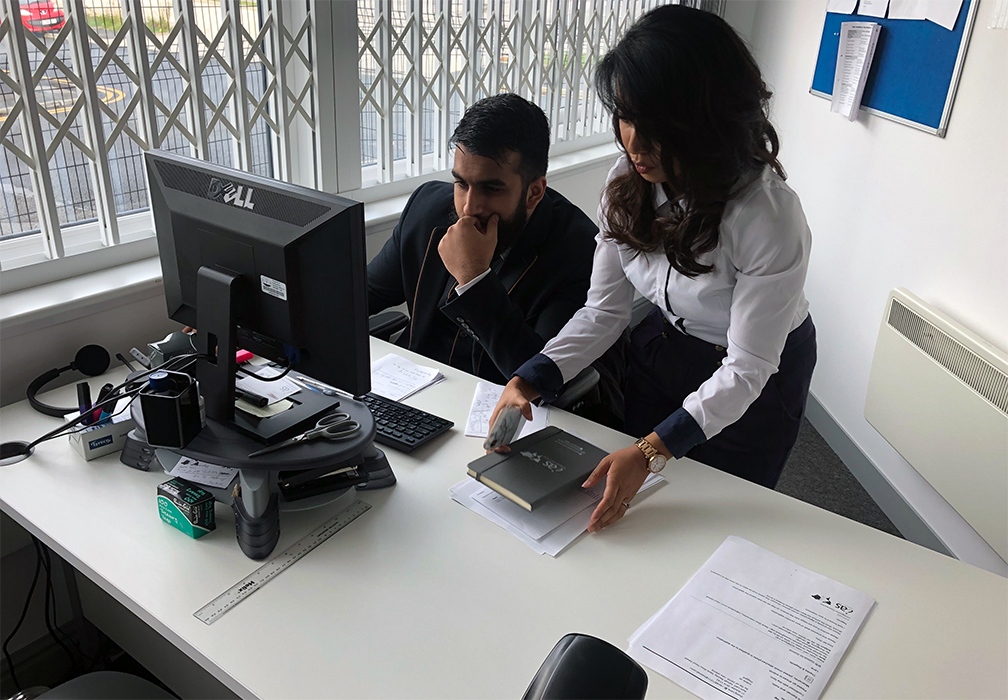
Our Fast-Track Application Package gives your case priority with our immigration lawyers, helping you get your application prepared, checked and submitted as quickly as possible.
Your case receives priority handling, including accelerated document reviews, application preparation, communication with your caseworker and submission support.

The Appeal Package
Our immigration lawyers will review the decision, explain why it was refused and advise on the strongest option available to you, including an appeal, review or fresh application where appropriate.
We will examine the reasons for refusal, identify weaknesses or errors, assess your available options and provide the legal support and representation your case requires.
Related pages for your continued reading.
Frequently Asked Questions
Digital nomads must prioritize countries that offer stable internet quality and developed infrastructure to reliably support their work requirements, as unreliable connections can sabotage a remote work experience. Many professionals may need to access a thriving, supportive community and adequate coworking spaces to foster networking and combat isolation.
Finally, facilities related to health and finance, such as comprehensive healthcare systems and favourable tax regimes (like zero-tax or tax-friendly policies), can maximize personal freedom and financial stability during their extended stay.
Political stability and social factors play a crucial role in the long-term viability of a country for digital nomad living. A stable political environment ensures consistent policies and regulations, fostering a sense of security for remote workers in terms of knowing their legal rights and their personal safety are dependable.
Additionally, social factors such as cultural openness, community support, and quality of life significantly enhance the experience for digital nomads. Countries that prioritize social cohesion, safety, and inclusivity create a welcoming atmosphere, ultimately attracting and retaining remote workers seeking enriching lifestyles abroad.
Digital nomads must navigate various legal considerations related to work permits and residency requirements in different countries. Key factors include understanding visa types, such as tourist, work, or digital nomad visas, and their specific eligibility criteria.
It’s essential to be aware of minimum income thresholds, tax obligations, and restrictions on local employment. Additionally, compliance with local laws regarding health insurance and duration of stay is crucial. Researching each destination’s legal framework and speaking with a professional immigration advisor ensures a smooth transition and avoids potential legal complications while living abroad.

Clear, professional guidance.
Get clear, professional guidance for your immigration case.
Call Now Call To Discuss