
Ireland Citizenship Application
If you’re a UAE national living in Ireland, you may be eligible for Irish citizenship. Here, we will explore Irish citizenship, including what it means and how to obtain it.
For further guidance or advice regarding Irish citizenship, including the eligibility requirements and how to apply, call our team of professional immigration lawyers at Total Law on +353 19039449 today, or contact us online.
What Does it Mean to be an Irish Citizen?
Irish citizenship brings certain rights, responsibilities, and privileges; for example, it impacts your residency in Ireland and your travel rights to other countries.
Irish citizens have the right to enter the UK under the Common Area Agreement, and, because Ireland is part of the European Union (EU), Irish citizens also have the right to enter all EU countries without a visa. In addition, Irish citizens can enter other countries visa-free in the European Economic Area (EEA), like Iceland, Norway and Liechtenstein.
If you become an Irish citizen, you will have the right to:
- Live and work in Ireland and the EU.
- Vote in Irish and EU elections.
- Receive diplomatic assistance abroad.
- Hold an Irish passport.
- Serve on an Irish jury.
- Be elected to work in a public office in Ireland or the EU.
- Pass on Irish citizenship to your children.
Your responsibilities as an Irish citizen include:
- Compliance with Irish law.
- Fulfilling tax obligations.
- Military service, if eligible, should Ireland enter into conflict.
- Public service (if elected).
"I'm very happy with the standard of training received on the OISC Level 1 course, i passed my exam. Thank you!"
Liam Calvert
Posted 6 years ago
"My application was approved and a huge weight has been lifted from our shoulders this year "
Akeel Lakar
Posted 6 years ago
"We used this service for the spouse visa extension application to assure that all the information was valid and correct."
Nabil Anwar
Posted 6 years ago
How Do I Get Irish Citizenship?
There are various ways a person may qualify for Irish citizenship. For example, some people automatically acquire Irish citizenship at birth, some qualify through descent, and some go through the naturalisation process. You can also become an Irish citizen through marriage or adoption, depending on the circumstances.
Irish Citizenship by Birth
If you were born in Ireland before January 1 2005, you are automatically an Irish citizen and can apply for an Irish passport. If you were born in Ireland after this date, your citizenship depends on the residency and nationality of your parents at the time of your birth.
For example, if at least one of your parents was an Irish citizen (who was born in Ireland) at the time of your birth, you too are an Irish citizen. Or, if one of your parents was a UK citizen, a refugee, or had been a legal resident in Ireland for at least 3 out of the 4 years before your birth, you may also be an Irish citizen.
Irish Citizenship by Descent
Some people can claim Irish citizenship by descent even if they were born overseas. For example, if you were born abroad but one or both of your parents or grandparents was an Irish citizen by birth, you are eligible for Irish citizenship by descent.
Or, if at least one parent was an Irish citizen at the time of your birth, but they were born outside of Ireland, you are also eligible for Irish citizenship by descent.
If you are eligible for citizenship by descent, you can apply to have your name put on the Foreign Births Register. Once a person is registered on the Foreign Births Register, they are classed as an Irish citizen and can apply for an Irish passport.
Irish Citizenship by Naturalisation
If you are a foreign national who has had ‘reckonable residence’ in Ireland for at least 5 years, you may be entitled to become an Irish citizen by naturalisation. (Reckonable residence is the term used to define the period of time that you have lived as a lawful resident in Ireland.)
To be eligible for citizenship by naturalisation, you must meet certain criteria as set out by the Irish authorities.
It is worth noting that the Minister for Justice has absolute discretion to accept or refuse an application for Irish citizenship by naturalisation, and successful applicants will have proven that they are of ‘good character’ as part of their application.
There are fees involved with the application, and you must follow a legal process, which includes attending a citizenship ceremony to make a special declaration.
Irish Citizenship by Marriage
If you are aged 18 or over and have been married to an Irish citizen for at least three years, you may be eligible for Irish citizenship by marriage. To apply, you will need to follow the naturalisation application process. You can do so as long as you have lived in Ireland lawfully for at least three out of the required 5 years, and have had continuous residence for at least one year directly before applying.
You should also currently be living in Ireland with your spouse or civil partner and intend to continue living in Ireland after you become an Irish citizen and have received immigration clearance.
Irish Citizenship by Adoption
If a child is adopted by an Irish citizen, whether in Ireland or abroad, that child can become an Irish citizen under the Irish Nationality and Citizenship Act 1956. To be eligible, the adoption must be legally recognised in Ireland.
If the adoption took place abroad, it will need to be registered on the Register of Intercounty Adoptions. Once legally recognised in Ireland, the child is automatically entitled to Irish citizenship by birth and can apply for an Irish passport.
If you want to become an Irish citizen, the way in which you need to apply for citizenship depends on how you qualify. You should ensure you meet all of the eligibility requirements of your chosen pathway before you submit your application.
Applying for Irish Citizenship through the Foreign Births Register
If you were born outside of Ireland and qualify for Irish citizenship by descent, you should apply to enter the Foreign Births Register. Both adults and children can apply, provided you meet the eligibility requirements.
Eligibility Requirements
To be eligible for the Foreign Births Register, you must be entitled to claim Irish Citizenship by descent. You claim this if:
- At least one of your parents was an Irish citizen at the time of your birth (including those born out of Ireland).
Or,
- At least one of your grandparents was an Irish citizen by birth (born in Ireland).
It is worth noting that if an expectant parent who was not born in Ireland is not on the Foreign Births Register at the time of the expected child’s birth, the child will not be eligible for Irish citizenship.
Supporting Documents
You must provide a completed application form and supporting documents as part of your application. Examples of the documents you will need to apply include:
- A copy of your original civil birth certificate.
- Your current identification document (such as your passport or driver’s license).
- Two separate official documents (such as a bank statement) that prove your current address.
- All applicable certificates that match the circumstances in which you are applying for citizenship by descent. (For example, your parents/grandparents’ birth and marriage certificates).
- Four recent passport-sized photographs – if you’re an adult applying on behalf of a child, you will need to provide 4 recent passport-sized photographs of yourself, as well as the child.
Witnesses
In addition, you will need a witness. A witness is an appropriate person who is known to you but not related. They must be a qualifying professional, for example, a doctor/nurse/dentist/lawyer/bank manager, etc. (A full list of eligible occupations is available on the Department of Foreign Affairs and Trade’s official website).
The witness will need to stamp your application form with their official stamp and certify a photocopy of your photo ID (issued by the state) as a true copy of the original. They must also sign and date all photographs that are included in your application.
Application Fees
You must pay an application fee. The current fees are as follows:
- Adult: €278
- Child: €153
In addition, you must pay a non-refundable postage and handling fee of €8 per person. All fees are paid online when you apply.
Application Process
To apply, follow these steps:
- Prepare your application – You should complete and sign the application form and gather your documents. Ensure they are checked and stamped by your witness.
- Submit your application online – You must apply online via the Department of Foreign Affairs and Trade’s official website.
- Await your decision – Applications to register foreign births are processed in date order, and processing times are currently around 9 months.
Applying For Citizenship by Naturalisation
If you’re not an Irish national but have been living in Ireland lawfully for at least 5 of the last 9 years (or 3 of the 5 years if you’re applying through marriage), you should apply for citizenship by naturalisation. To qualify, you must ensure you meet the eligibility requirements as set out by the Irish authorities.
Eligibility Requirements
You are required to:
- Be aged 18 or over
- Prove your identity
- Have lawfully lived in Ireland for at least 5 out of the last 9 years, and continuously for at least one year directly before your application. (You are allowed to be out of the country for up to 70 days only during that year, or up to 100 days in exceptional circumstances).
- Intend to continue to live in Ireland after you become an Irish citizen.
- Be of good character
Supporting Documents
You will need to provide documentation to support your application. Some examples of the documents you need to provide are:
- A completed and signed application form.
- Your current valid passport and copies of all passports held whilst living in Ireland.
- Original civil birth certificate.
- Original civil marriage certificate (if applicable).
- Copies of your Irish residence permit and permission to remain letters.
- Proof of residency for each year of your claim. (For example, bank statements/tax letters).
- 2 recent passport-sized photographs.
Fees
The current fee to apply for citizenship by naturalisation is: €175
If your application is successful, you will also need to pay a fee to receive your Irish naturalisation certificate. The current fees are:
- Adult: €950
- Child: €200
Application Process
You should apply online via the Department of Justice, Home Affairs, and Migration’s official website. To do so, follow these steps:
- Prepare your application – You will need to fill out and sign an application form and gather your supporting documentation ready for submission. It is highly important to ensure you send the correct documents and that they are error-free to avoid delays or refusals.
- Submit your application and pay the fee – you should submit your application form and supporting documents online. Fees are paid by card when you apply. The current fee is 175 euros.
- Wait for a decision – processing times are currently around 12 months.
Application Outcomes
If your application is successful, you will be invited to attend a citizenship ceremony where you will be expected to make a declaration to the Irish nation. If your application is refused, you will receive an official refusal letter that outlines the reasons why.
It is not possible to appeal a naturalisation refusal, but depending on your circumstances, you may be able to apply for a judicial review in the High Court or reapply at a later date.
Citizenship Ceremony
The final step in completing the naturalisation process is to attend a citizenship ceremony. Here, you will take an Oath of Fidelity to the Irish nation in front of a judge and usually, a government minister. You will receive an invitation through the post if your application is successful.
When you arrive, you will need to prove your identity and register at the reception desk, after which you will receive a ceremony booklet. The booklet contains useful information regarding your citizenship rights and responsibilities.
You will then make your declaration. It is important to note that you are not classed as an Irish citizen until you have completed this step.
You will receive your certificate of naturalisation through the post a few weeks after the ceremony. Once you have your certificate, you can apply for an Irish passport.

Getting an Irish Passport
Once you have been granted Irish citizenship, you can apply for your first Irish passport. There are different types of passports to apply for, and you should choose the one that meets your needs.
Passport Types
You can apply for:
- Standard 10-year Adult passport.
- Standard 5-year Child passport.
- Large 66-page 10-year passport.
- Passport card only.
- Standard passport and card bundle.
Documents
You will need to prove your identity and provide legal documents to support your passport application. Examples of documents you should include are:
- Full civil birth certificate
- Proof of address – You need 2 official letters (such as bank statements)
- Proof of name
- Photo ID – this can be a driver’s license, a national ID card, or a current passport.
- 4 recent passport-sized photographs signed by a witness.
- Marriage or Civil Partnership certificate (if applicable)
Fees
Fees for an Irish passport vary depending on the type of passport you are applying for and the way in which you apply. The current fees are:
- Standard 10-year Adult passport(online): €75
- Standard 5-year child passport (online): €20
- Standard 10-year adult passport (post):€80
- Standard 5-year child passport (post):€30
- Large 66-page 10-year passport (online): €105
- Large 66-page 10-year adult passport (post):€95
- Passport card only: €35
- Standard adult passport and card bundle: €100
- Large adult passport and card bundle: €130
You are also responsible for the cost of postage. The current fees are:
Inside Ireland:
- Single application: €9.50
- Up to 4 applications (submitted together): €16
Outside Ireland:
- €15
Application Process
You can apply online or by post, but postal applications will take longer to process. For example, online applications take around 20 days to finalise, whereas postal applications take approximately 8 weeks.
You will need to submit a complete and signed application form along with your supporting documents and photographs. You will then need to pay the application and postage fees to send your application for processing. Once your application is processed, you will receive your passport through the post.
How Total Law Can Help
As qualified and professional immigration lawyers, we specialise in providing accurate and informative legal advice. If you want to become an Irish citizen, we can guide you through the application process from start to finish with precision.
For example, we can help you explore your options and create a bespoke plan to suit your needs. We can help you complete your application form and advise you on what documents you will need to apply. We can also check these documents before you submit them to ensure they are valid and error-free.
If your application is successful, we can advise you on what to expect at the citizenship ceremony and, following on from that, we can help you apply for your first Irish passport.
For quality legal advice and support, contact Total Law today on +353 19039449, or contact us online.

Advice Package
Get clear, expert advice on your visa options, eligibility and application before you commit to applying.

Application Package
Let our immigration lawyers prepare, check and manage your application so you can apply with confidence.

Fast Track Package
Need to apply quickly? Get priority handling by our immigration lawyers from preparation to submission.

Appeal Package
Been refused or received an unfavourable decision? Get expert legal help to challenge it or determine your next step.

The Advice Package
During this Advice Session, an immigration lawyer will assess your circumstances, explain your options and tell you what you need to do to make a strong application.
We review your circumstances, explain the relevant requirements, identify potential problems or refusal risks, and advise you on the evidence and next steps.

The Application Package
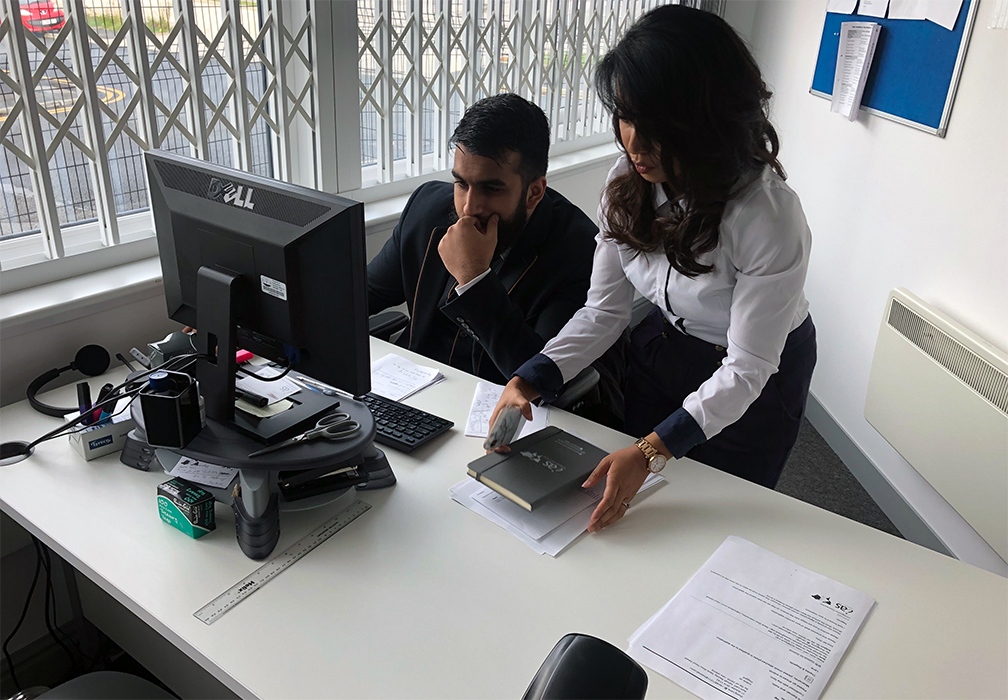
With our Application Package, your dedicated immigration lawyer will assess your case, prepare your application, check your supporting documents and submit your forms on your behalf.
We check your application for missing information, inconsistencies and potential issues before submission, helping you avoid common mistakes that could affect your case.
The Fast Track Package
Our Fast-Track Application Package gives your case priority with our immigration lawyers, helping you get your application prepared, checked and submitted as quickly as possible.
Your case receives priority handling, including accelerated document reviews, application preparation, communication with your caseworker and submission support.

The Appeal Package
Our immigration lawyers will review the decision, explain why it was refused and advise on the strongest option available to you, including an appeal, review or fresh application where appropriate.
We will examine the reasons for refusal, identify weaknesses or errors, assess your available options and provide the legal support and representation your case requires.
Related pages for your continued reading.
Frequently Asked Questions
Irish law allows dual nationality in Ireland, and therefore, you do not have to give up your current citizenship to also become an Irish citizen. You must, however, ensure that your other country also allows dual citizenship, as not all countries do.
No, there are no formal language requirements when applying for Irish citizenship; applicants can apply without proving their language skills, so long as they meet the eligibility requirements for their chosen route.
No, you do not have to pass a citizenship test to become an Irish citizen. Application outcomes are largely based on the evidence presented in the supporting documents.
Yes, Irish citizens can claim public benefits and support, such as welfare benefits, healthcare and public housing.
